Quartz Countertops in Temecula, CA
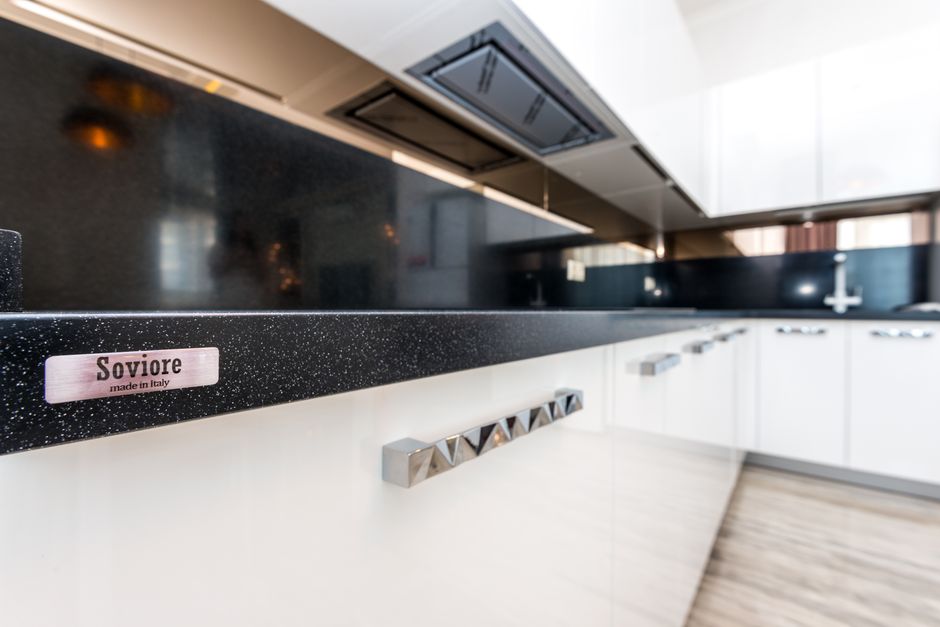
Notes on engineered quartz countertops in Temecula, CA: heat and sun limits near big windows, island seams, waterfall and mitered edges, and daily care.
What We Cover
- Can a Hot Pan Damage Engineered Quartz How resin in engineered quartz reacts to hot cookware, why a trivet matters, and what heat damage looks like on a Temecula kitchen counter.
- Mitered Edge Quartz for a Thick Slab Look How a mitered edge makes thin engineered quartz look thick, how the corner joint is cut and glued, and where it holds up well.
- Undermount Sink Cutouts in Quartz How an undermount sink is fitted to an engineered quartz top, what holds the weight, and how to protect the cutout edges from wear.
- Quartz Counters Beside Patio Doors and Big Windows Why UV exposure can yellow resin in engineered quartz near sliding patio doors, and what Temecula homeowners can do about it.
- Building a Waterfall Edge on a Quartz Island What goes into a waterfall edge on an engineered quartz island, from slab layout and vein matching to the weight of the side panels.
- Where the Seams Go on a Quartz Island How fabricators decide seam placement on a long quartz island, slab size limits, and how to keep a seam away from the sink and cooktop.
Quartz Countertops in Temecula, CA
Engineered quartz is crushed mineral bound with resin, and in Temecula that mix meets a lot of sun. Kitchens here open onto patios and look out over the Temecula Valley wine country, so the counters sit beside big glass doors for most of the afternoon. These pages are written from the crew's side of the work: what the slab does, where it gives, and how the install is planned around it.
Heat and sun are the two limits
The resin is the soft spot. A hot pan set straight on the surface can leave a pale ring, which is why a trivet lives next to the range. Direct sunlight through a slider can warm the tint of a white slab over the seasons, so the layout around the glass gets decided before the slab is cut. Granite and porcelain have no such limits, and quartz stays a fine choice anywhere heat and light are managed.
Islands, seams and edges
Most of the craft in a quartz job is in the island. A slab only runs so long, so a big island takes a seam, and the seam goes where water and heat are least likely to find it. A waterfall edge carries the pattern down the side, and a mitered edge gives a thin top the look of a thick one. Homes across Riverside County and the wider Inland Empire have walls that are rarely square, so the template decides every cut.
Daily care
Day to day, quartz asks for very little: a damp cloth, a mild cleaner, a pad under hot cookware and a dry edge around the undermount sink. Homes near Temecula Creek and the Santa Margarita River deal with the same dust and water spots as everywhere else in the valley, and a quick wipe keeps spots from drying into rings.
Guides
The pages here cover heat damage and trivets, sun exposure near patio doors, seam placement on an island, waterfall edges, mitered edges and undermount sink cutouts. The articles go further into specific questions that come up in a Temecula kitchen.
Latest Guides
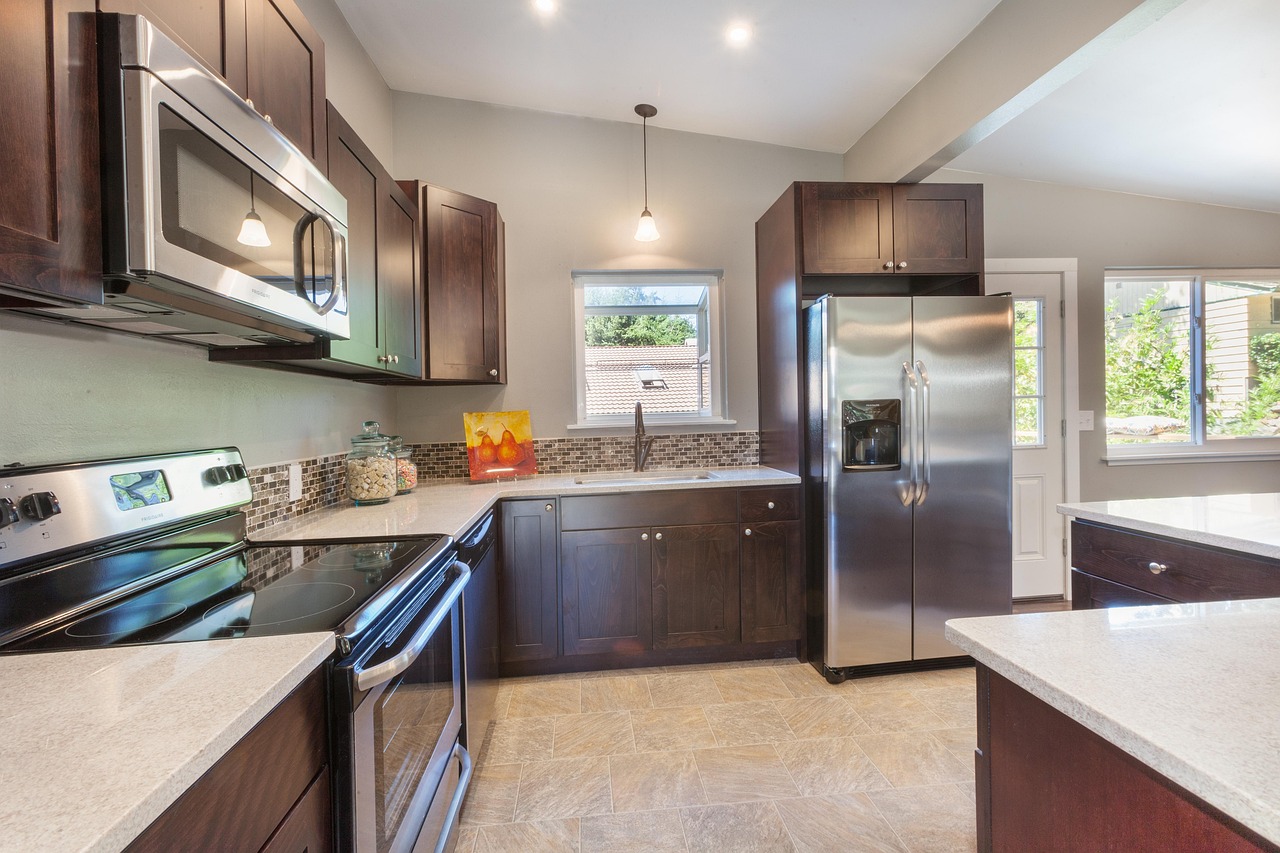
Daily Care for Quartz Counters in a Sunny Temecula Kitchen
Engineered quartz has a reputation for being the counter you can ignore. That reputation is about half true. The surface does not need sealing, and it does not stain the way unsealed stone can. It does still have a resin binder, and the habits of a sunny Temecula household decide whether that binder looks the same in year ten as it did on installation day. The questions below come up on nearly every kitchen, and the answers come from how the material is built.
What is engineered quartz actually made of?
Most of the slab is ground natural quartz, a very hard mineral. The rest is polymer resin and pigment, pressed and cured into a flat sheet. The mineral gives hardness and scratch resistance. The resin fills the space between the grains, which is why the surface is nonporous and why it needs no sealer. It is also the weak point in two situations: high heat and long, direct sunlight. Almost every care rule for this material follows from those two facts.
What cleaner is safe for daily use?
Warm water, a few drops of dish soap and a soft cloth handle nearly everything. For a greasy stovetop splash, a spray made for kitchen surfaces and labeled safe for quartz works well, and it should be wiped off rather than left to dry on the surface. Glass cleaner is fine for a streaky finish. Avoid anything with a heavy solvent, a bleach concentrate, or a stripper made for ovens or drains, since those can dull the polished face or soften the resin at a spot.
A non-scratch sponge is the right tool. Steel wool and scouring powder leave fine marks that show up as haze when the light comes in low across the counter, which happens every evening in a kitchen with a west facing window.
How do you handle hard water spots near the sink?
Mineral spots show up wherever a drop of tap water dries on a counter in the valley. Around the faucet and along the undermount sink rim, those spots turn into a pale crust if they are left for weeks. A cloth dampened with white vinegar and water, held on the spot for a minute and then rinsed, lifts it. The key is to rinse and dry afterward, because vinegar left on any surface for long is a poor idea. A quick wipe with a dry towel after the dishes keeps the problem from forming at all.
Can a hot pan really hurt it?
Yes, and this is the care rule people most often learn the hard way. Resin softens and discolors at temperatures that natural stone shrugs off. A pan fresh off a burner, a tray from the oven or a slow cooker running for hours can leave a pale or brown mark that does not polish out. A trivet by the range costs nothing in effort and removes the risk. The same goes for an electric kettle or an air fryer that sits in one spot through the day. A mat under the base keeps the heat from soaking in.
What does sunlight do over the years?
A kitchen that opens to a patio gets hours of direct sun, and the area closest to the glass sees the most. White and pale gray slabs can warm toward cream over a long stretch of exposure. Darker or heavily veined colors hide it. Window film that screens ultraviolet light, a shade on the slider and an eave outside all reduce the dose. Moving a bowl or a tray around now and then keeps a lighter patch from forming where something has sat in the sun for a year. Granite and quartzite do not have this limit, and that is the usual reason a fully sun-washed kitchen gets one of those instead.
Which spills are worth a quick response?
Most spills can wait until the dishes are done. A few are worth a quick wipe:
- Turmeric, mustard and curry paste, which carry strong pigment that can leave a faint tint on a pale slab if they sit for a day.
- Red wine and grape juice, a fair concern in a house near the Temecula Valley wine country where a bottle is open on the island most weekends.
- Coffee and tea left in a ring under a cup.
- Oil and grease from the cooktop, which attracts dust if it is left alone.
- Nail polish remover and other solvents, which should come off the surface right away and not be wiped around.
What about knives, cutting and impact?
Quartz is hard enough that a kitchen knife will not scratch it in any visible way, but the knife will dull on it. A cutting board protects the knife more than the counter. The material is brittle in one place: the edge. A mitered edge or a sharp corner can chip if a heavy pot is dropped against it. A chip at the corner of an island is the most common impact damage on this material, and the repair is a color matched filler that blends well on a pattern and shows more on a solid color.
Do seams and sink cutouts need anything special?
A seam is bonded with color matched adhesive and needs no care beyond the rest of the surface. It helps to wipe across it with a clean cloth rather than scrubbing along it, and to keep a hot pan away from it, since a seam is where thermal stress shows up first. The sink cutout is the other spot to watch. The narrow strips of quartz at the front and back of the opening carry the load of the bowl, and standing water at the rim is what stains and weakens them over years. Drying the edge after use takes a few seconds.
How do dust and weather change the routine?
Homes in the Inland Empire collect fine dust through open doors and windows, particularly in the dry months when Santa Ana winds pass through Riverside County. A quick dry pass with a microfiber cloth before wet cleaning keeps grit from dragging across the surface. Grit is the thing that dulls a polished face, and it arrives on shoes, on grocery bags and on the dog. Homes near the Santa Margarita River or out toward the Santa Rosa Plateau, where trails and open ground meet the back door, tend to collect more of it on the counter nearest that door.
Is there anything that should never go on it?
A short list covers it. No hot cookware straight from the heat. No oven cleaner, paint stripper or drain opener. No sitting on the overhang, since a seat on an unsupported edge puts load on the thinnest part of the slab. No cutting directly on the surface. And no long daily exposure to direct sun on a pale slab without some shade. Everything else is ordinary kitchen life, and the surface is made to take it.
A short routine that works
After cooking, wipe the surface with warm soapy water, rinse the cloth and wipe again, then dry the area around the sink. Once a week, run a clean damp cloth over the whole counter and the backsplash. Keep two trivets near the range and a cutting board near the prep area. That routine covers the material for years, which is most of what a quartz surface asks.
Quartz rewards a few small habits, and the two that matter most are keeping heat off it and keeping the sun in check.
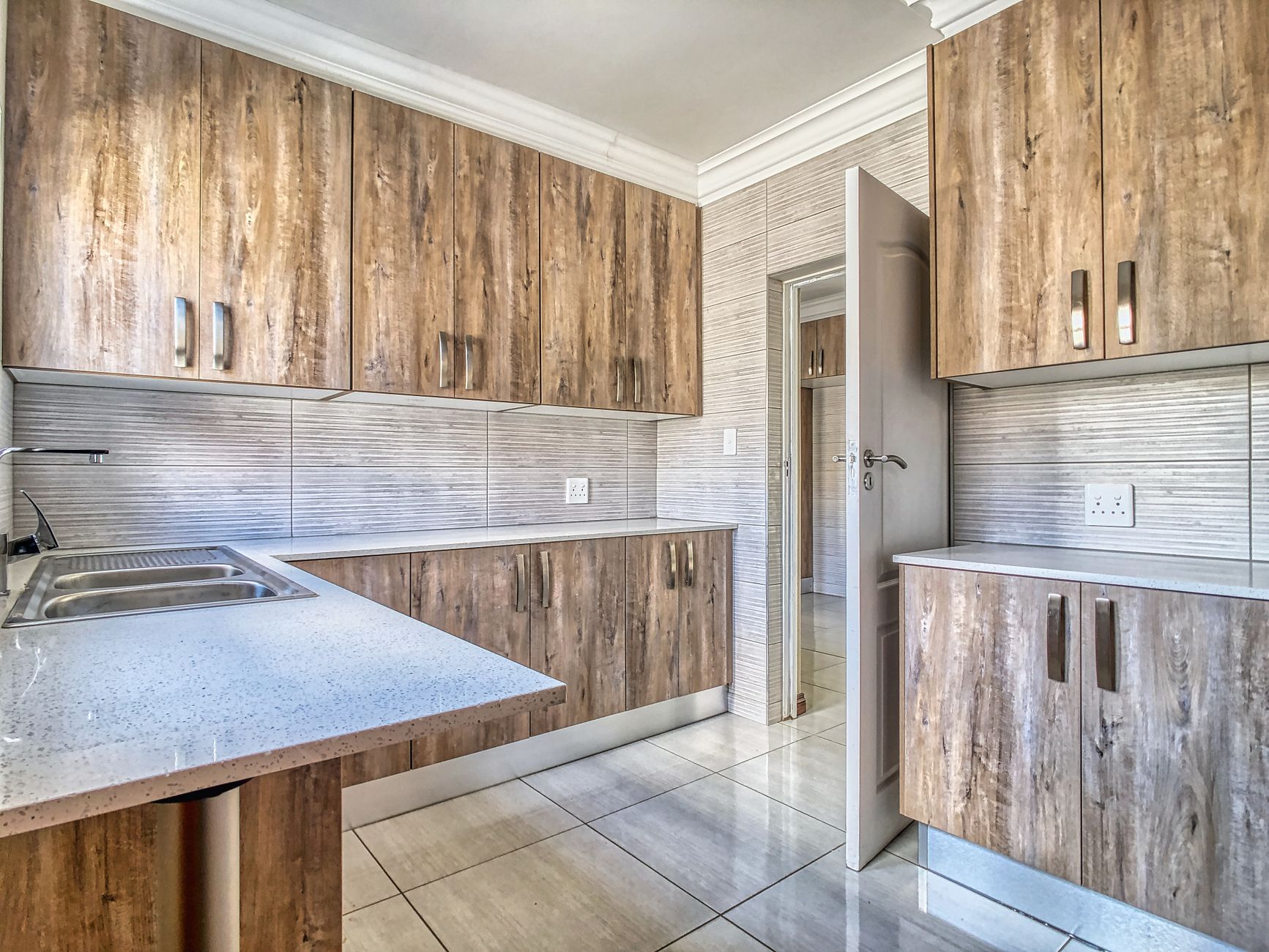
Planning a Quartz Island for a Kitchen That Opens to the Patio
A kitchen island does more jobs than any other piece of the room. It is a prep table, a landing strip for groceries, a homework desk and, in a house with a patio door a few steps away, the place where everyone ends up standing. Planning one in engineered quartz means answering a handful of practical questions before the slab is ordered, because the answers decide the seams, the edges, the cutouts and how the surface will age in strong Temecula light. This is the order those questions usually come up in.
Start with the footprint, not the slab
The size of the island comes from the room, and the slab comes from the island. Clearance around the island matters more than the length of the top. Walkways on the working sides need room for two people to pass with the oven door or the dishwasher open. A seating side needs knee space, which means an overhang of the top past the cabinet. That overhang is unsupported quartz, and it has limits. A deep overhang for stools usually needs brackets or a leg underneath, and the installer will say so at the template visit.
It helps to tape the outline of the island on the floor for a day. Walk around it, pull the refrigerator open, carry a laundry basket past it. Houses in the Inland Empire built in the last few decades often have tighter kitchens than the plans suggest, and an island that looked right on paper can pinch a walkway by a few inches.
Decide where the sink and the cooktop go
Plumbing and heat both drive the layout of the top. A sink on the island means an undermount sink cutout, a faucet hole or two, and a spot where water is present every day. A cooktop on the island means a large cutout and a heat source close to the surface. Neither belongs on a seam. The fabricator will lay out the slab so that the joins land between these features, on solid cabinet support, and away from corners where the quartz is narrowest.
If both the sink and the cooktop sit on one island, the top is often cut in two with the seam placed between them. That keeps the thin strips at each cutout on a single, unbroken piece.
Check the light before choosing the color
An island facing a slider gets afternoon sun. Engineered quartz carries a resin binder, and long, direct exposure can warm the tint of a pale slab over the years. Stand in the kitchen at three in the afternoon in July and see where the light actually lands. If the island sits in that light, a patterned or mid-tone color hides any change, while a pure white shows it first. Window film, a shade or an eave outside changes the answer. In a house that sees the valley sun through a wall of glass, it is worth choosing a color for the light it will get, not the light in the showroom.
Pick an edge that suits the household
| Edge | Look | Where it works | Watch for |
|---|---|---|---|
| Eased edge | Square with a softened corner | Busy kitchens, families with young children | Plain look, little visual weight |
| Bullnose | Fully rounded | Seating sides where people lean | Rounded profile can read traditional |
| Mitered edge | Thick, crisp, modern | Islands with a clear overhang | Sharp corner chips if struck |
| Waterfall edge | Top turns down the side to the floor | Island ends that face the room | Heavy panels, pattern matching, careful cabinet prep |
An eased edge is the quiet choice and the one least likely to chip. A mitered edge makes a thin top look thick by gluing two pieces at forty five degrees, and it suits a clean modern room. A waterfall edge is a statement on the end of an island, and it asks for the most planning, since the veining has to match across the corner and the panel has to be carried in and set on a flat floor.
Think about outlets, stools and what lands on the top
Outlets on an island are required in most kitchens, and their location affects the top. A pop-up unit needs a cutout, a side-mounted outlet needs a clear cabinet end, and a waterfall panel changes where either can go. It is easier to decide this before the template than after.
Stools are the other thing that gets forgotten. Counter height stools and a deep enough overhang are the usual match, though the right numbers come from the people who sit there. Consider the finish, too: a polished surface shows fingerprints and light scratches under strong sun, while a honed or matte finish hides them. The finish choice belongs in the same conversation as the color.
Plan for the heat that an island invites
An island is where the slow cooker, the air fryer and the pot of chili end up during a gathering. Resin does not like sustained heat. Trivets and mats live on the island as a matter of habit, and the household should know that before the first party. A cooktop on the island adds to this, since pans move from the burner to the counter within a step.
Walk through the template visit
The template is the moment where the plan gets fixed. A technician measures the cabinets, marks the overhang, the sink and cooktop cutouts, and notes the seam locations. A digital template captures every angle, and a wood strip template does the same by hand. Homes in Riverside County and out toward Pechanga and Murrieta Creek vary in age and construction, and walls are rarely square, so the template reflects the room as it is.
Before the visit, have these ready:
- The sink and faucet in hand, or the exact model, so the cutout and the hole count are right.
- The cooktop or range model, since each has its own cutout size.
- The stool height and the number of seats.
- The outlet plan, including any pop-up unit.
- The cabinet work finished and the base level.
What installation day looks like
The perimeter pieces go in first and the island last. The crew dry fits each piece, checks level, applies adhesive at the seams, pulls the joints tight and polishes them flat once the adhesive has cured. The sink gets glued and clamped from below, and the faucet goes on after. A waterfall panel is carried in on a frame, set against the cabinet end and glued at the corner before the top goes on. A leftover remnant from the slab is worth keeping for a repair later, because it comes from the same lot and ages the same way.
A last pass before signing off on the plan
Walk through the day in the kitchen and see where the sun lands, where the heat lands and where the water lands, and keep seams away from the last two. Confirm the edge, the overhang support and the outlet before the slab is cut.