Can a Hot Pan Damage Engineered Quartz
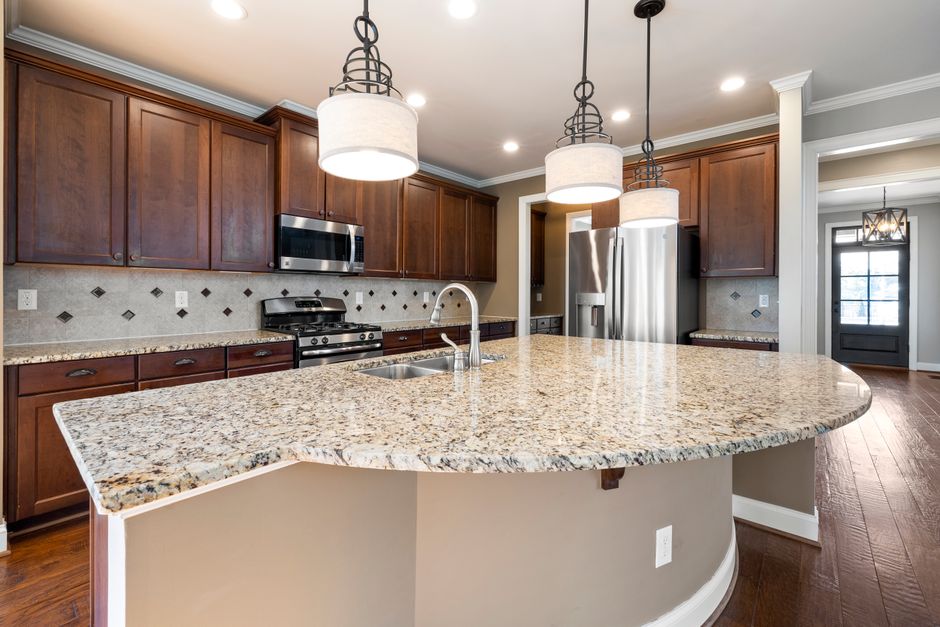
A skillet that sat on a burner for ten minutes can hold enough heat to leave a pale ring on engineered quartz the moment it lands. Every teardown quartz countertops temecula the jack condo has logged shows the same thing: the damage comes from the resin, not the stone. Engineered quartz is mostly crushed mineral held together with a polymer binder, and the binder is the part that gives way. In a Temecula, CA kitchen in August, with the oven running and the patio door open to the valley air, that margin gets used up faster than most people expect.
What heat does to the resin
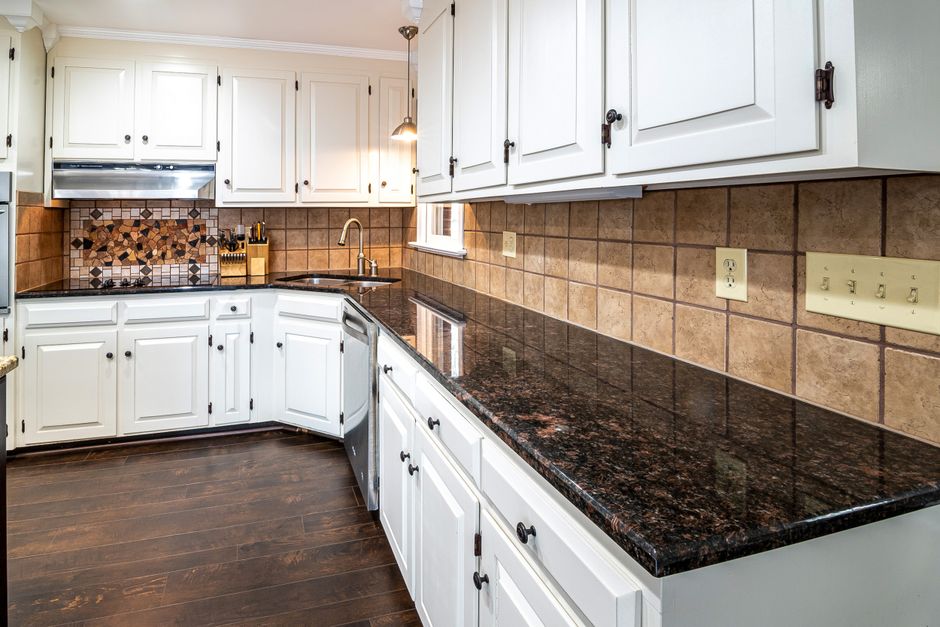
Resin softens before it burns. A hot base pressed against the surface for a few seconds can leave a dull patch, and a longer contact leaves a yellow or brown scorch that sits in the material itself. Polishing does not lift it, because the discoloration is not on top. The mineral grains underneath are fine; the glue between them has changed color or, in worse cases, developed a hairline crack.
What heat damage looks like
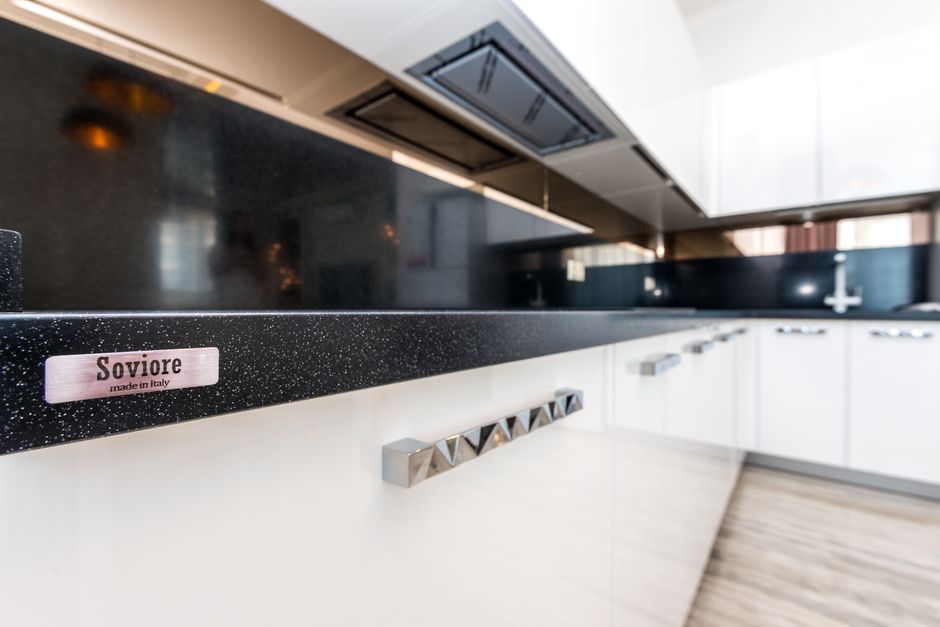
The early sign is a faint matte ring the size of the pan base, visible when the light rakes across the slab from a window. The later signs are a tan halo, a raised blister on a dark color, or a crack that runs out from the spot. Thermal shock is its own problem: a cold slab beside a hot pan expands unevenly, and a crack tends to start at a weak point such as a sink cutout corner or a seam.
Why a trivet does the work
A trivet is a cork, silicone or wood pad that keeps a hot base off the surface. Keep two within arm's reach of the range. The habit that matters is setting the pot on the pad before the hands come off the handle, because the pad is no use once the ring is already there. Slow cookers, air fryers and electric kettles belong on a pad too, since they heat the surface from below for an hour at a time.
How other materials compare
Granite, quartzite and soapstone are natural stone and tolerate heat far better, since no resin is involved. Porcelain slab handles heat well too. Laminate and solid surface scorch more easily than quartz does. Marble resists a hot pan but etches under acids. Quartz gives up some heat tolerance in exchange for an even color and a surface that needs no sealing.
What to do after a mark
Stop using the spot as a landing zone and leave the surface alone. A mild scorch can sometimes be reduced by a fabricator with the right tools, but a deep brown mark means the resin has changed and the section is usually cut out and replaced. The best repair is a trivet that was already on the counter.