Quartz Counters Beside Patio Doors and Big Windows
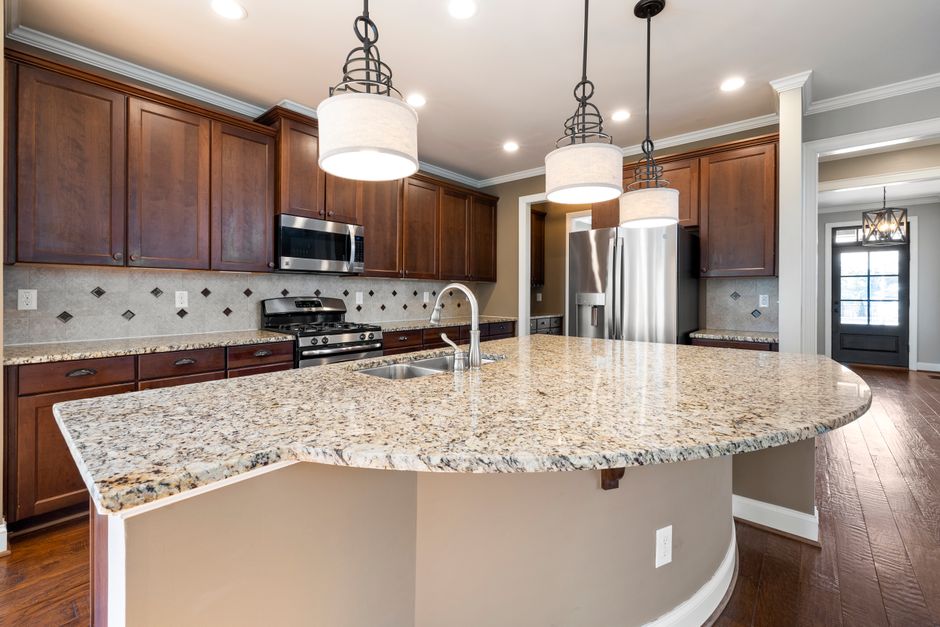
The first symptom is a slight warm cast on the white slab nearest the sliding door, visible only when the strip beside the window is compared with the strip under the cabinets. The notes at quartz countertops temecula the jack condo come back to that comparison often on jobs in Temecula, CA, where a south or west facing wall of glass sends direct sun across the counter for hours. Engineered quartz carries a resin binder, and sunlight can slowly yellow resin that sits in the sun every afternoon.
How ultraviolet light works on the resin
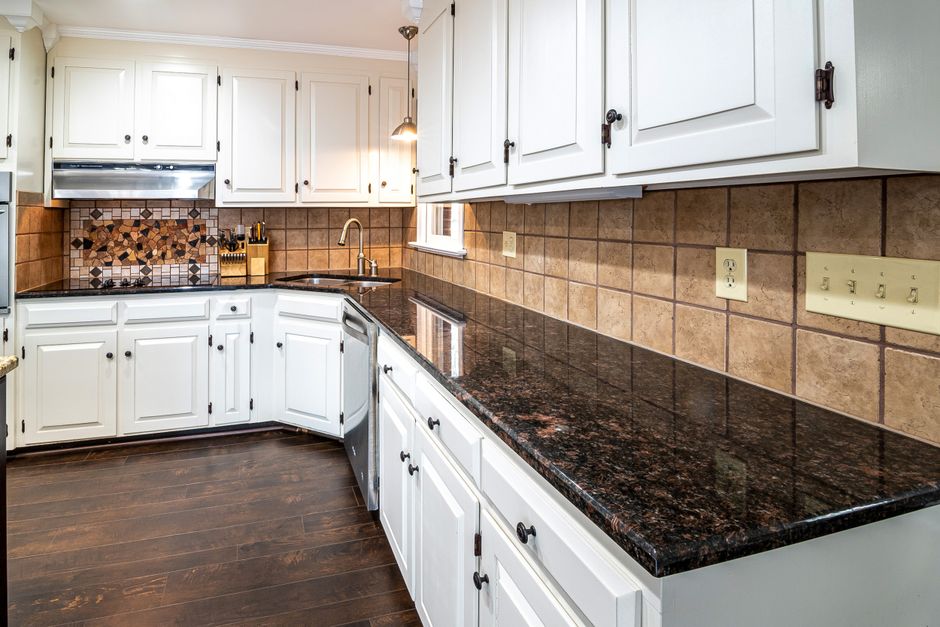
Ultraviolet light breaks down some of the bonds in a polymer over time. The mineral part of the slab does not change, but the binder can take on a yellow tint, so a pale quartz drifts toward cream where the light lands. The change is slow. It shows first at the edge nearest the glass, and it shows on a bright white long before it shows on a patterned gray.
Which colors show it first
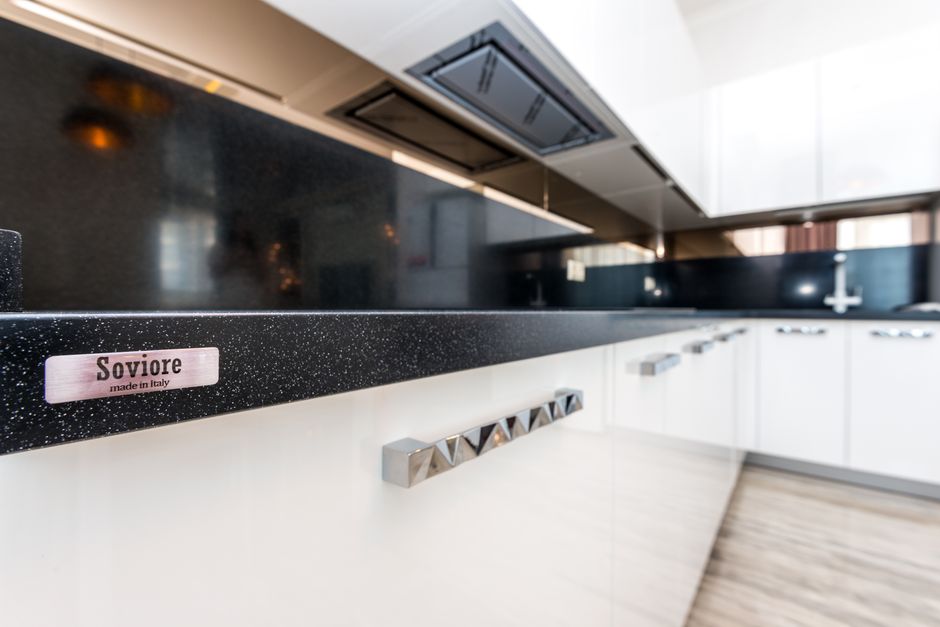
Pure whites and very light grays reveal the shift most, because a small change in tint stands out against a clean background. A busy pattern with veining hides it, and a dark color shows almost nothing. A sample left on a sunny sill for a few weeks, with half of it covered, gives a useful early read before anything is ordered.
Shade, film and furniture
Most of the fix is controlling the light. Window film that blocks ultraviolet, a roller shade on the patio door, or a deep eave all cut the dose. An overhang outside the glass helps in summer, when the sun rides high over the Temecula Valley wine country, while the lower winter sun reaches farther into the room. A fruit bowl or a tray that sits in the same spot leaves a lighter patch under it, so rotating items keeps the exposure even.
Planning the layout around the glass
At the template stage the installer notes where the sun lands. A long run beside a slider might use a patterned slab, while a pure white goes on the wall that stays in shade. A seam placed at a sun line reads more clearly as the two pieces age at slightly different rates, so seam placement is worth a conversation. A slab and its remnant cut from the same lot will age together, which is one more reason to keep leftover pieces for repairs.
Comparing quartz with natural stone
Granite, quartzite and marble are mineral all the way through, so ultraviolet light does not tint them. Porcelain slab behaves the same way. Laminate and solid surface can shift in strong sun too. For a sun-soaked room with a wall of glass, natural stone or porcelain removes the question, while quartz stays a sound choice anywhere the light is controlled.